Texas Workers' Compensation Claims See a Significant Uptick in 2020, Breaking a 20-Year Decline
Table of Contents
- PPT - Overview of Workers’ Compensation Coverage PowerPoint ...
- Texas Workforce Commission Case Study.pdf - Texas Workforce Commission ...
- The Texas Tribune: Hurting for Work
- A Comprehensive Guide to Workers’ Compensation Insurance Texas - Life ...
- How Texas Workers' Compensation Impairment Ratings Work
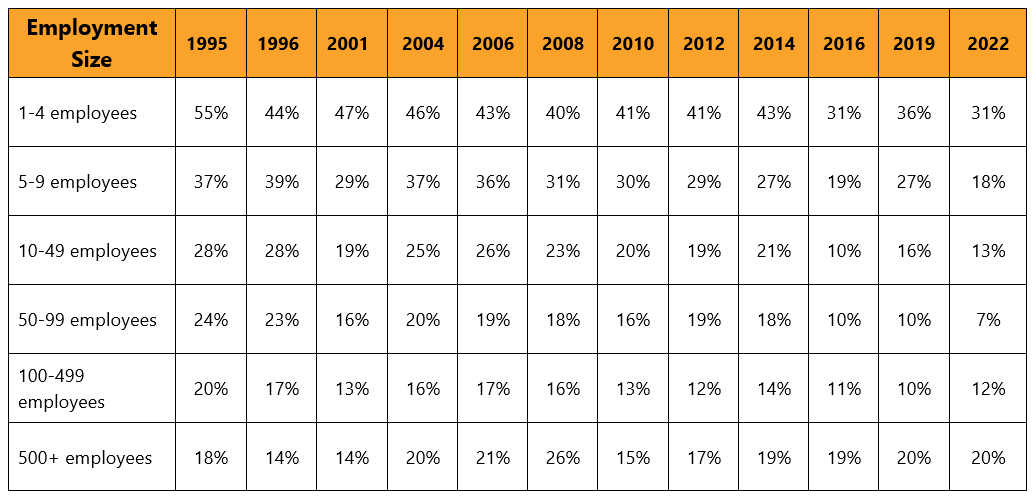
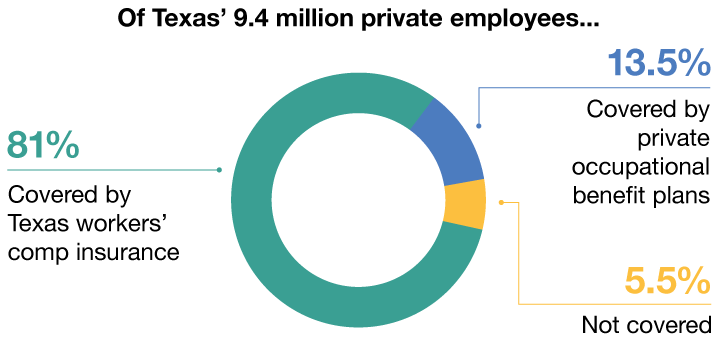
- Snapshot: Employer Participation in the Texas Workers’ Compensation ...
- Texas Workplace Injury Compensation Analysis, Options, Impact | TLR ...
- Snapshot: Employer Participation in the Texas Workers’ Compensation ...
- PAID POST: Help wanted: Responding to calls for a skilled workforce ...
- Texas Department Of Insurance Division Of Workers Compensation Form 83 ...

Understanding the Trend

Factors Contributing to the Increase

Implications for Employers and the Insurance Industry
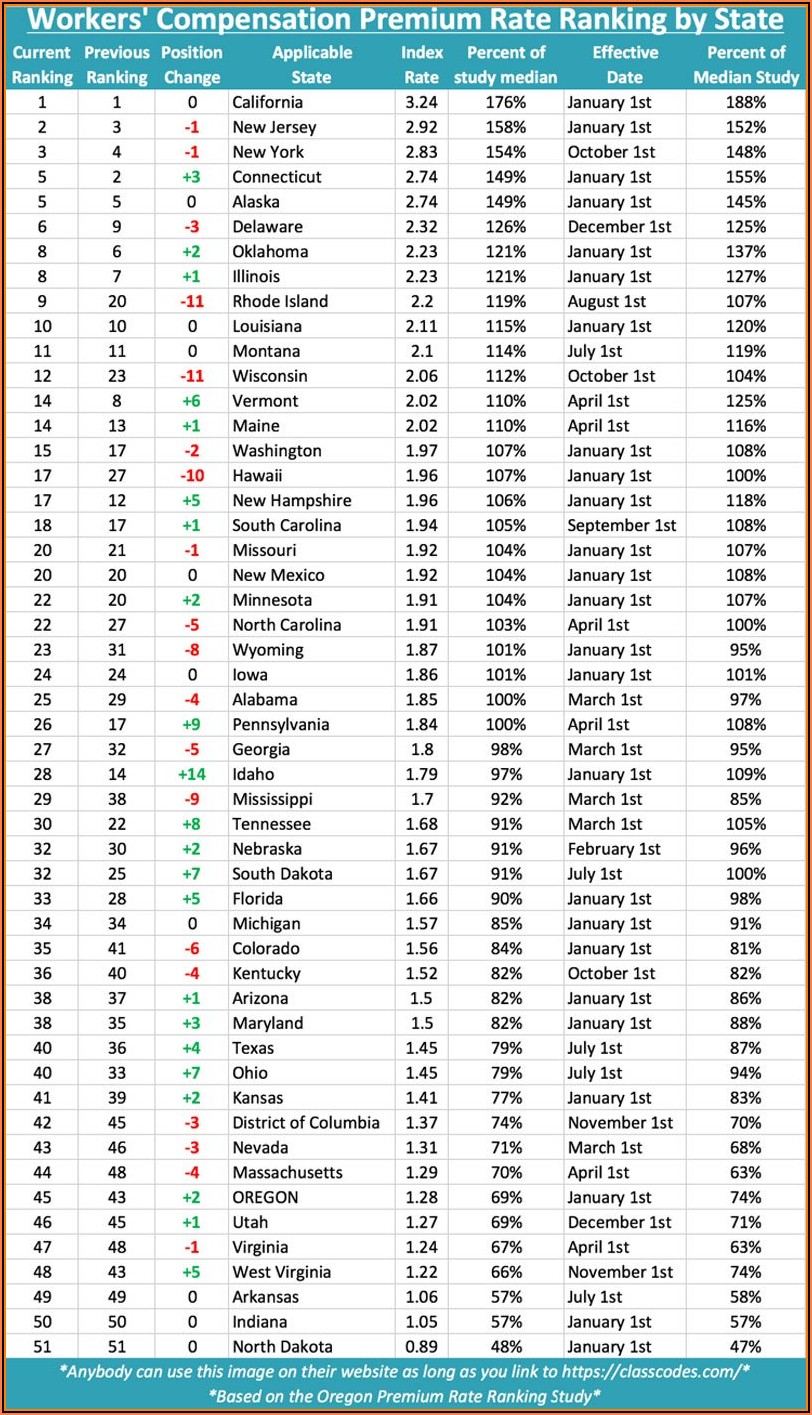
The rise in workers' compensation claims in Texas has significant implications for employers and the insurance industry. For employers, this trend may lead to increased premiums and a greater emphasis on workplace safety measures to mitigate risks and reduce the likelihood of claims. Employers may need to reassess their safety protocols, provide additional training to employees, and ensure compliance with all relevant regulations to minimize the risk of work-related injuries and illnesses. For the insurance industry, this uptick in claims could lead to a reevaluation of policy rates and coverage terms. Insurers may need to adjust their risk assessments and pricing models to account for the increased frequency of claims. Furthermore, insurers may focus more on preventive measures and partner with employers to enhance workplace safety, potentially offering incentives for businesses that implement robust safety programs. The end of the 20-year downward trend in Texas workers' compensation claims in 2020 is a notable development with far-reaching implications. As the state navigates this new landscape, it is crucial for all stakeholders, including employers, employees, insurers, and regulators, to work together to address the underlying causes of this increase. By focusing on enhanced workplace safety, improved awareness, and preventive measures, Texas can strive towards reducing the number of work-related injuries and illnesses, ultimately benefiting both the workforce and the economy. Whether this increase marks a temporary blip or the beginning of a new trend, proactive and collaborative efforts will be essential in shaping the future of workers' compensation in Texas.Keyword: Texas workers' comp, workers' compensation claims, workplace safety, insurance industry, COVID-19 pandemic.