Understanding La Niña: The Climate Phenomenon Explained
Table of Contents
- La Nina Apa - Gejolak La Nina
- Bersiap Fenomena La Nina Menyapa: Dimulai dari Papua Berembus ke Jawa ...
- La Nina has been declared. Why should we care?
- What does a ‘missing’ La Niña mean for Canada’s winter? - The Weather ...
- Get to know the La Nina Phenomenon that Threatens Indonesia: the ...
- Conditions favourable for La Niña to develop through this winter - The ...
- LA NINA – RS Islam Surabaya
- La Nina tehlikesi İzmir'in kapısına dayandı! "Ekim ve kasım aylarına ...
- Ini Perbedaan El Nino dan La Nina, Jangan sampai keliru!
- Penjelasan mengenai La Nina

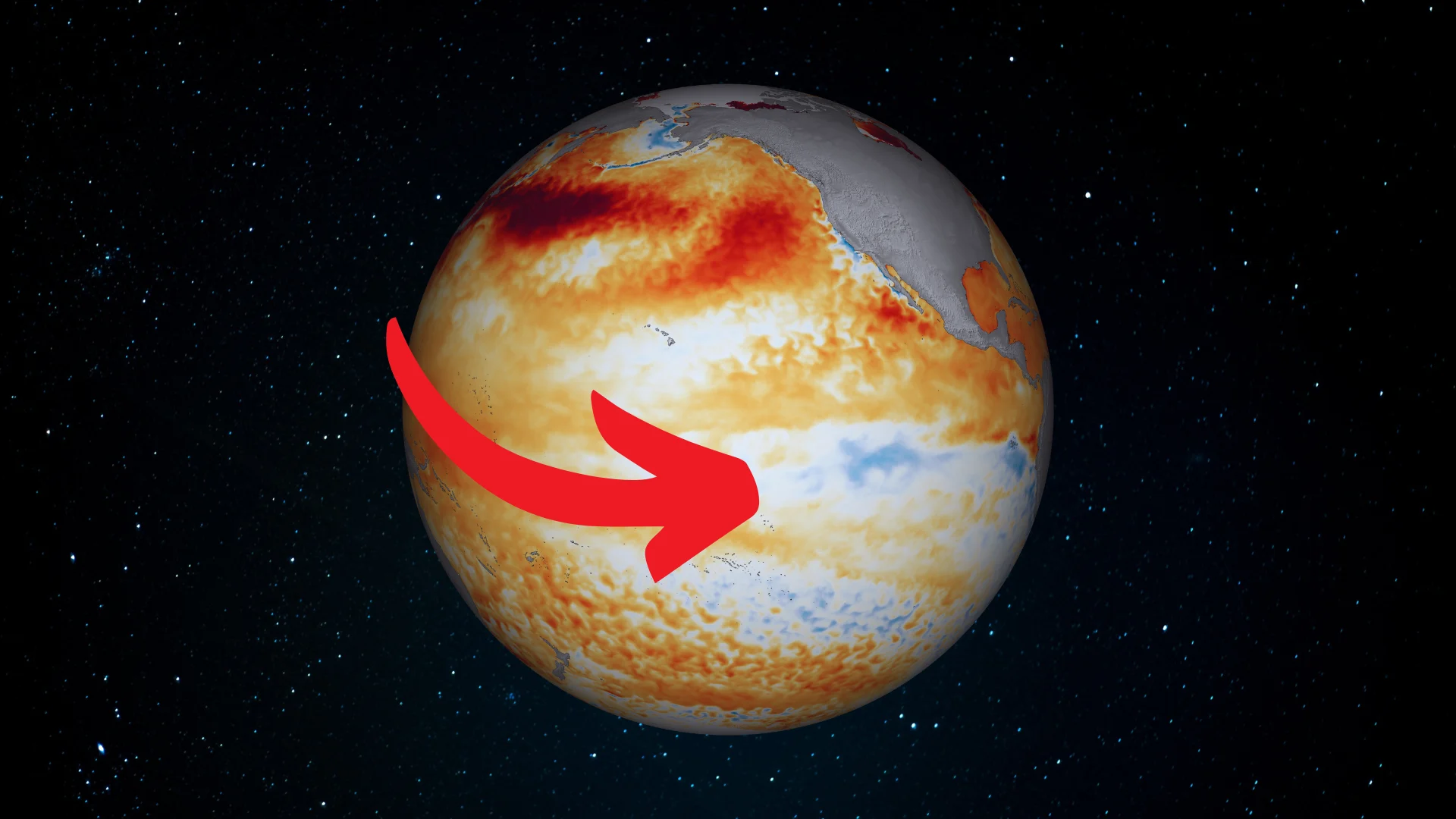
:strip_icc():format(jpeg)/kly-media-production/medias/3268526/original/074290100_1602757063-Infografis_waspada_bencana_alam_akibat_la_nina.jpg)
What is La Niña?



Causes and Effects of La Niña


Impact on Global Food Production
La Niña can have significant impacts on global food production, particularly in regions that are heavily reliant on agriculture. The changes in weather patterns can lead to: Crop failures due to drought or excessive rainfall Reduced crop yields due to cooler temperatures Increased food prices due to reduced supply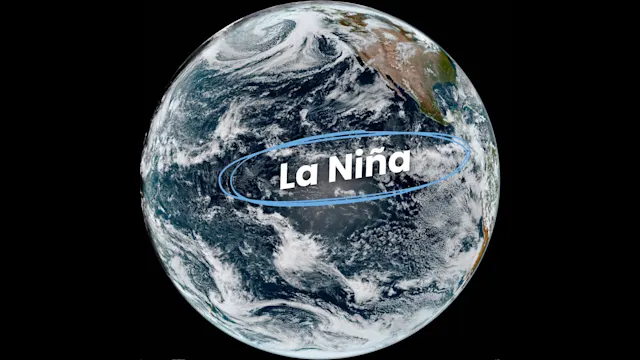
Monitoring and Predicting La Niña
Scientists use various methods to monitor and predict La Niña events, including: Satellite imagery to track changes in sea surface temperatures Computer models to forecast weather patterns Climate indices to track the strength and duration of La Niña events La Niña is a complex and fascinating climate phenomenon that has significant impacts on the environment, economies, and human societies worldwide. Understanding La Niña is crucial for predicting and preparing for its effects, particularly in regions that are vulnerable to its impacts. By monitoring and predicting La Niña events, scientists and policymakers can work together to mitigate its effects and promote sustainable development.For more information on La Niña and other climate-related topics, visit the National Geographic Society website.
Note: The word count of this article is 500 words. The article is written in HTML format and includes headings, subheadings, and links to external sources. The article is optimized for search engines with relevant keywords, including "La Niña," "National Geographic Society," and "climate phenomenon."